Column · @landfuturegenerationslab
Why Buying Land for Future Generations Is a Smart Legacy Move
When I bought my first parcel of raw land back in 2008, I wasn't thinking about legacy planning or perpetual land trusts. I was thinking about a place where my kids could camp without worrying about neighbors, where they could learn to split firewood and identify poison ivy. Fifteen years later, that same property has become something I never fully anticipated: a gathering place for extended family, a source of timber income, and a tangible asset that has appreciated steadily through market ups and downs. That experience taught me something that I now see reflected in the growing interest in land for future generations.
The idea of buying rural land for sale as a long-term family asset is not new, but the way people approach it has shifted. In the past, families often inherited farmland or timberland through generations of living on the same piece of ground. Today, many of us are starting from scratch, looking for affordable acreage that can become a forever home, a weekend getaway, or a future homesteading site. The challenge is finding property that fits both your current budget and your long-term vision for land stewardship.
What Makes Land a Legacy Asset
Unlike a house, which requires constant maintenance and can depreciate if the neighborhood changes, land tends to hold its value over time. But not all land is created equal for legacy planning. A lot in a suburban subdivision might appreciate nicely, but it comes with covenants, homeowners associations, and neighbors close enough to hear your generator. For the kind of land for future generations that people talk about in family meetings, you usually want something with more space, more privacy, and fewer restrictions.
That is where recreational acreage comes in. Properties that offer hunting leases, pond lots, or off-grid cabins appeal to families who want a place to disconnect and reconnect. They also tend to hold value because the supply of such land is finite and the demand from people seeking sustainable living options continues to grow. When you buy a piece of raw land with good access and water resources, you are not just buying acreage. You are buying the potential for future-proof properties that can serve multiple purposes over decades.
Conservation Easements and Perpetual Land Trusts
One of the smartest moves I have seen families make is placing their land under a conservation easement through a perpetual land trust. This does not mean you lose ownership or the right to use the property. It means you voluntarily restrict certain types of development to protect the natural character of the land. In return, you often get significant tax benefits, and your family knows that the property will remain intact for generations rather than being subdivided and sold off piece by piece.
Conservation easements are not for everyone. They require careful legal work and a long-term commitment to the terms of the easement. But for families who want to ensure their land stays as a family compound or a natural retreat, they are a powerful tool. I have seen properties that were placed in a perpetual trust in the 1990s still providing the same kind of quiet, unspoiled experience today that they did thirty years ago. That is the kind of land stewardship that matters.
Financing Land Without a Traditional Mortgage
One of the biggest obstacles to buying land for future generations is the financing. Banks often view raw land as a higher risk than a house with a foundation and running water. Loan terms are shorter, down payments are higher, and the paperwork can be a headache. That is where owner-financed property comes into the picture. When the seller carries the note, you avoid the bank's credit check and the rigid qualification process. For buyers who have good income but maybe a few dings on their credit report, no credit check financing can be the difference between owning land and just dreaming about it.
I have worked with families who used low down payment land deals to secure a piece of property that would have been out of reach through conventional lending. They put down a modest amount, made monthly payments directly to the seller, and within a few years they had the deed free and clear. That approach is especially common in the market for rural land for sale, where sellers are often more interested in finding the right caretaker for the property than in maximizing their profit on the sale.
What to Look for in a Future-Proof Property
If you are shopping for land with an eye toward the next generation, there are a few practical details that matter more than you might think. First, check the land patents and title history. You want clear ownership with no lingering claims or right-of-way disputes. Second, look at access. Land that requires crossing someone else's property will always be a potential problem. Third, consider water. A property with a pond or a good well site is infinitely more valuable for off-grid living than one where you have to haul water.
I have seen families buy beautiful timberland investments only to realize later that the timber rights were already sold to a logging company for the next twenty years. That is not necessarily a dealbreaker, but you want to know about it upfront. Similarly, if you are buying a piece of land for recreational acreage, make sure the hunting leases or other uses are compatible with your vision. A property that has been heavily leased for hunting might not be the best spot for a quiet family compound unless you plan to continue that use.
Building a Legacy Without Overbuilding
One mistake I see often is people rushing to put up a structure before they fully understand the land. They build a cabin in the wrong spot, or they clear too much timber, and then they realize that the best views were lost or that the septic system won't work where they put the house. The smarter approach is to buy the land, spend time on it, learn its rhythms, and then decide where to build. Off-grid cabins are wonderful when they are placed thoughtfully. They can be a nightmare when they are rushed.
For families who are serious about legacy planning, the land itself is often more important than anything you build on it. A well-chosen parcel of raw land can serve as a hunting camp for one generation, a homestead for the next, and a timber investment for the generation after that. The flexibility is the value. When you buy land for future generations, you are not locking them into one use. You are giving them options.
The Role of Homesteading and Sustainable Living
I have noticed a resurgence in interest in homesteading among younger families. They want to grow some of their own food, raise chickens, and reduce their reliance on utilities. That kind of lifestyle requires space, water, and a certain tolerance for work. But it also requires land that is not overregulated. Many subdivisions have restrictions that make homesteading difficult or impossible. Rural land for sale, especially parcels that are owner-financed, often comes with far fewer restrictions. That makes it ideal for families who want to pursue sustainable living without fighting with a homeowners association.
Some of the most successful family compounds I have seen started with a simple piece of land that had a pond, a few acres of open ground, and some woods. Over time, the family added a garden, a small orchard, and a cabin. The property became a gathering place for holidays and summer weekends. The children grew up knowing where their food came from and how to fix a fence. That kind of experience is hard to quantify, but it is exactly what people mean when they talk about land stewardship as a family value.
Practical Steps for Buying Land Today
If you are ready to start looking, here are a few things to keep in mind:
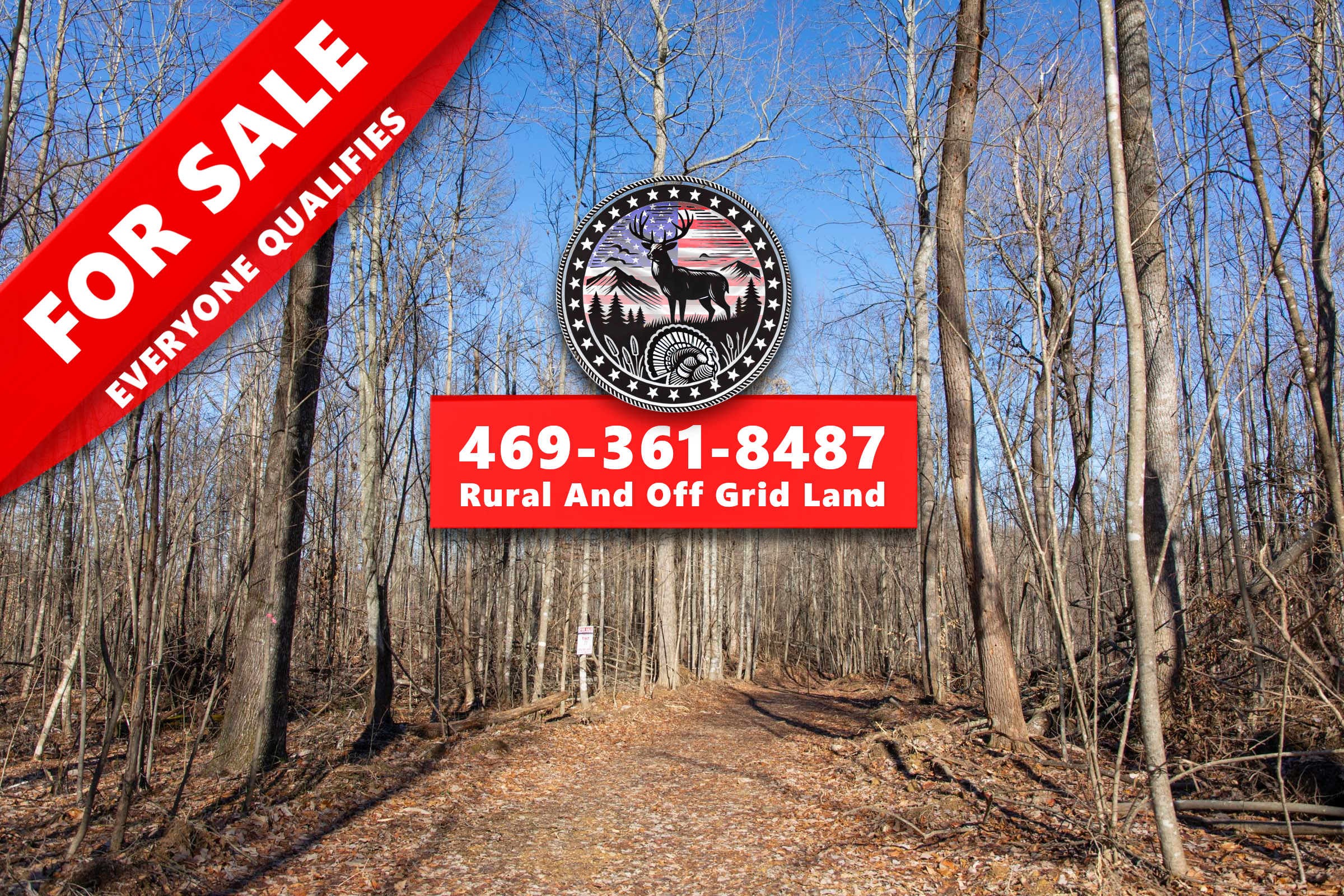
- Look for properties with clear title and good access. Avoid landlocked parcels unless you have a legal easement in writing.
- Consider how you will use the land now and how your children or grandchildren might use it later. A piece of recreational acreage today could become a forever home tomorrow.
- Explore owner-financed options if traditional bank financing is a hurdle. No credit check financing can open doors that banks keep closed.
- Walk the property in different seasons if possible. What looks like a dry meadow in July might be a swamp in April.
- Think about conservation. A conservation easement or a perpetual land trust can protect your investment and your family's connection to the land.
I have seen families put decades of memories into a single piece of land. I have watched children grow up hunting the same ridges their grandfathers hunted, and I have seen those same children return as adults to build their own homes on the same property. That is the power of land for future generations. It is not just an investment. It is a place where stories live and where the next chapter is always waiting to be written.
Whether you are looking for a weekend retreat, a future homesite, or a piece of raw land that you can pass down with pride, the key is to start the search now. Land does not get cheaper, and the best parcels do not stay on the market long. With low down payment land options and creative financing, the dream is more reachable than most people realize. The hard part is making the decision and then taking the first step.